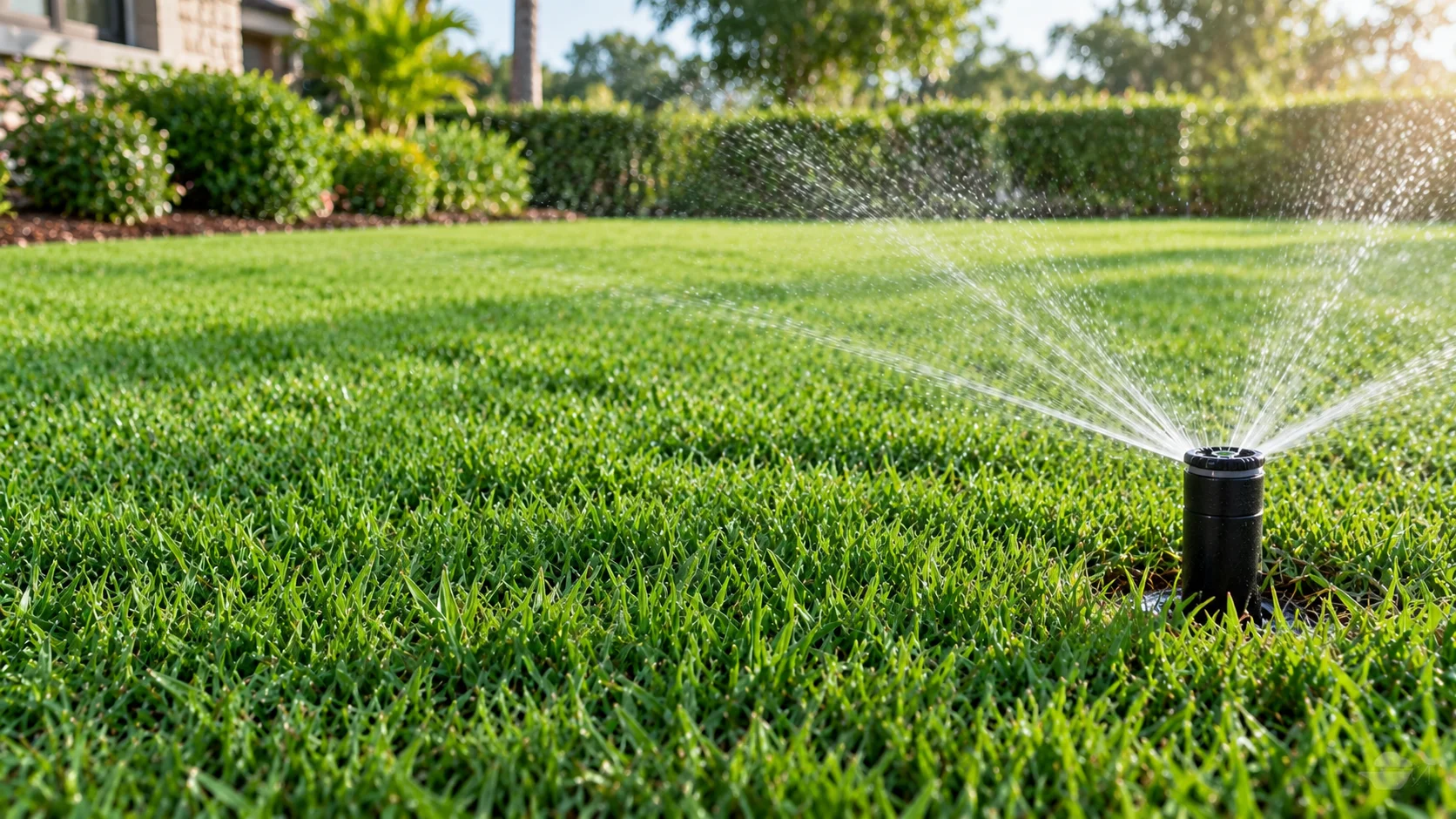
Zoysia Grass Watering Guide
Zoysia uses about 25% less water than cool-season turf, but too much invites thatch and disease. This guide gives weekly inches, days between waterings by soil, and minutes to set on your controller.
How much water your lawn needs, how often to run the sprinklers, and how to set a schedule that fits your grass, soil and climate.

Written by Daniel Reeves, PE, CID, a licensed Professional Engineer and Certified Irrigation Designer. Every figure is sourced and checked against our methodology.
Newest first.
Zoysia uses about 25% less water than cool-season turf, but too much invites thatch and disease. This guide gives weekly inches, days between waterings by soil, and minutes to set on your controller.
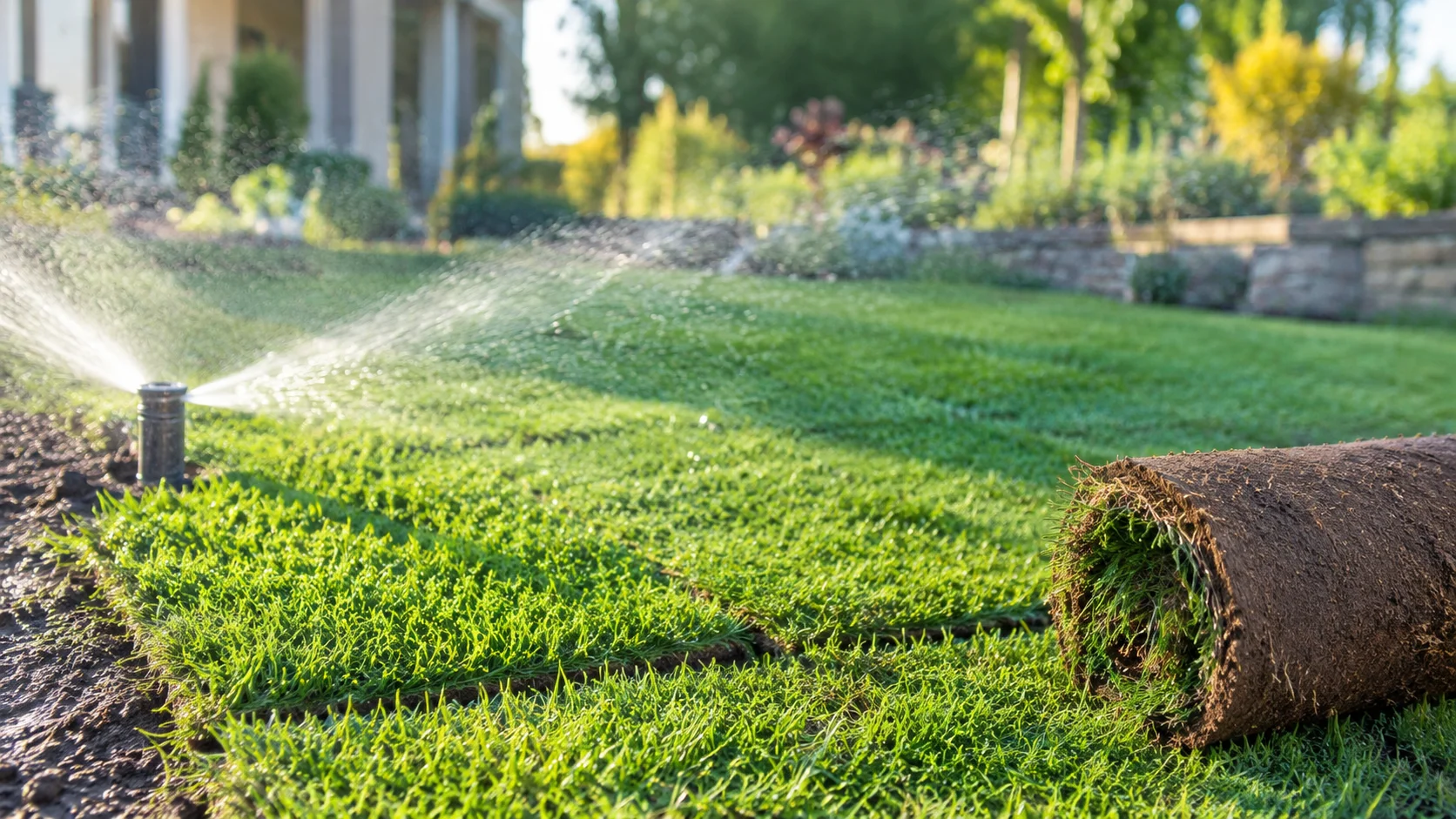
New sod has almost no roots in the soil yet, so it dries out fast and rots if it stays saturated. This guide gives the schedule for each week, the depth per watering and the minutes to set on your timer.
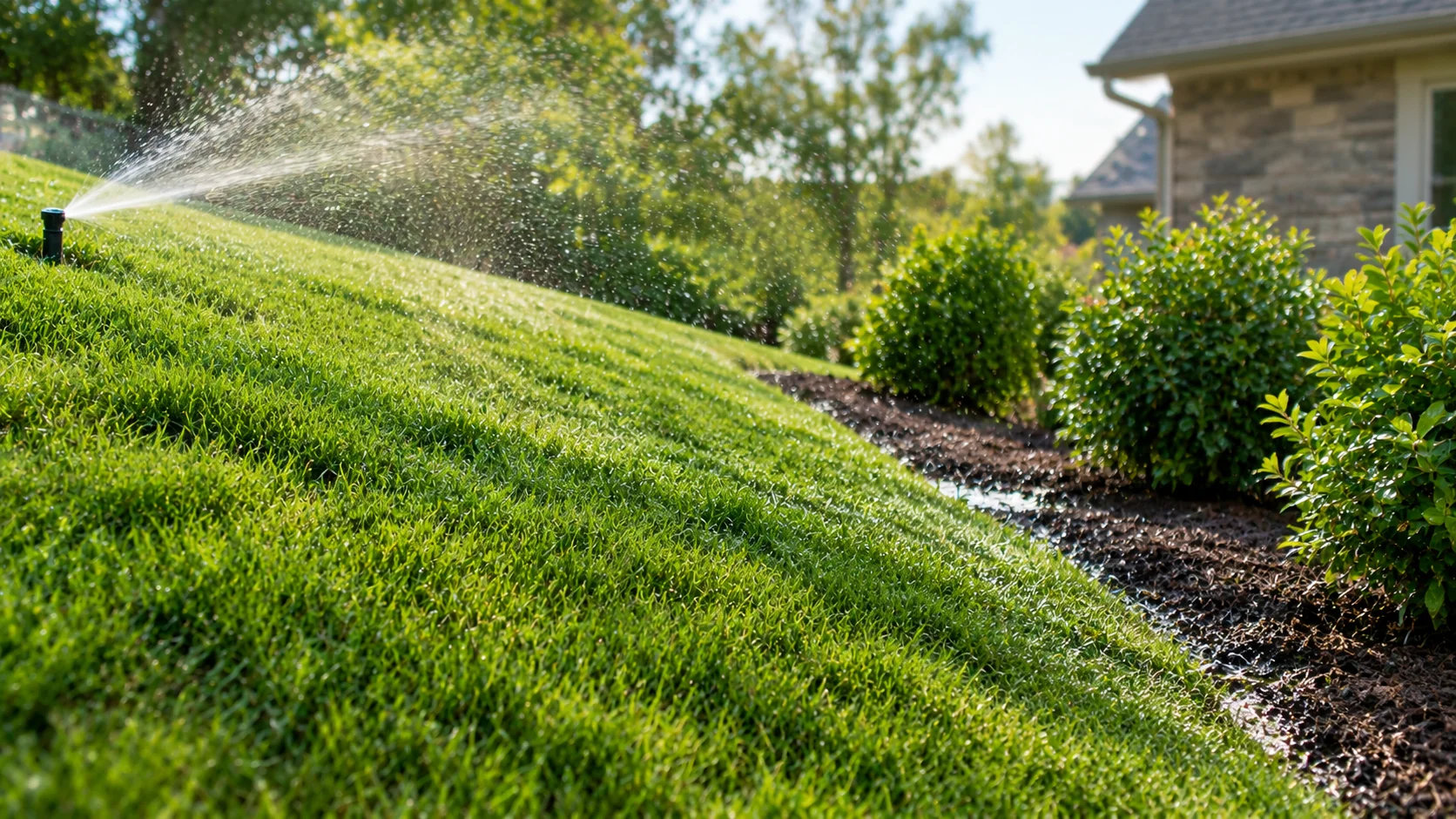
Clay absorbs water slowly and slopes shed it fast, so a standard run time sends much of it down the street. This guide gives the cycle length, soak time and sprinkler fixes that stop runoff.
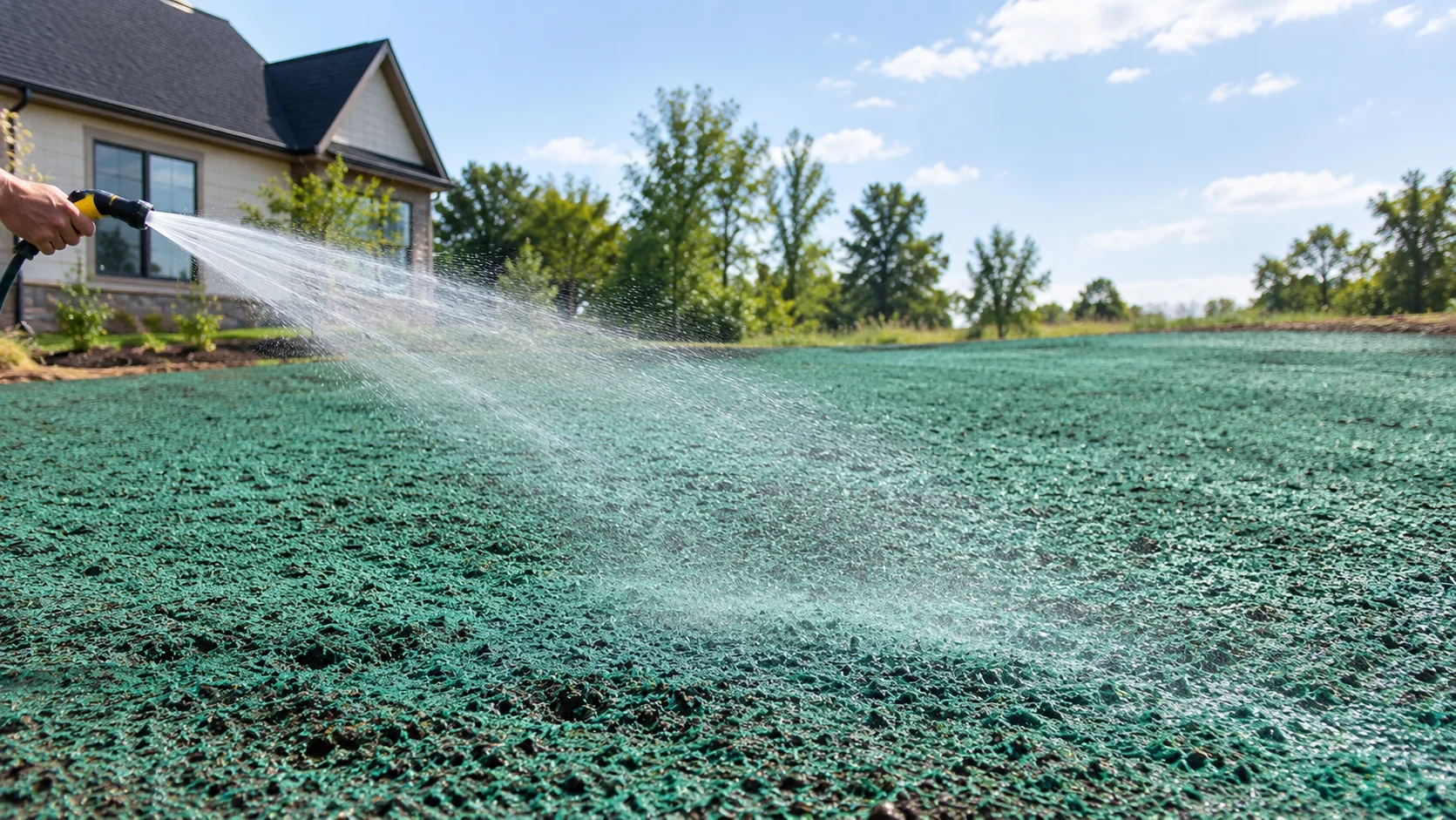
Newly sprayed hydroseed needs light water several times a day, then less often and deeper as the grass grows. This guide gives the schedule for each stage, the gallons per 1,000 square feet and the sprinkler minutes to match.
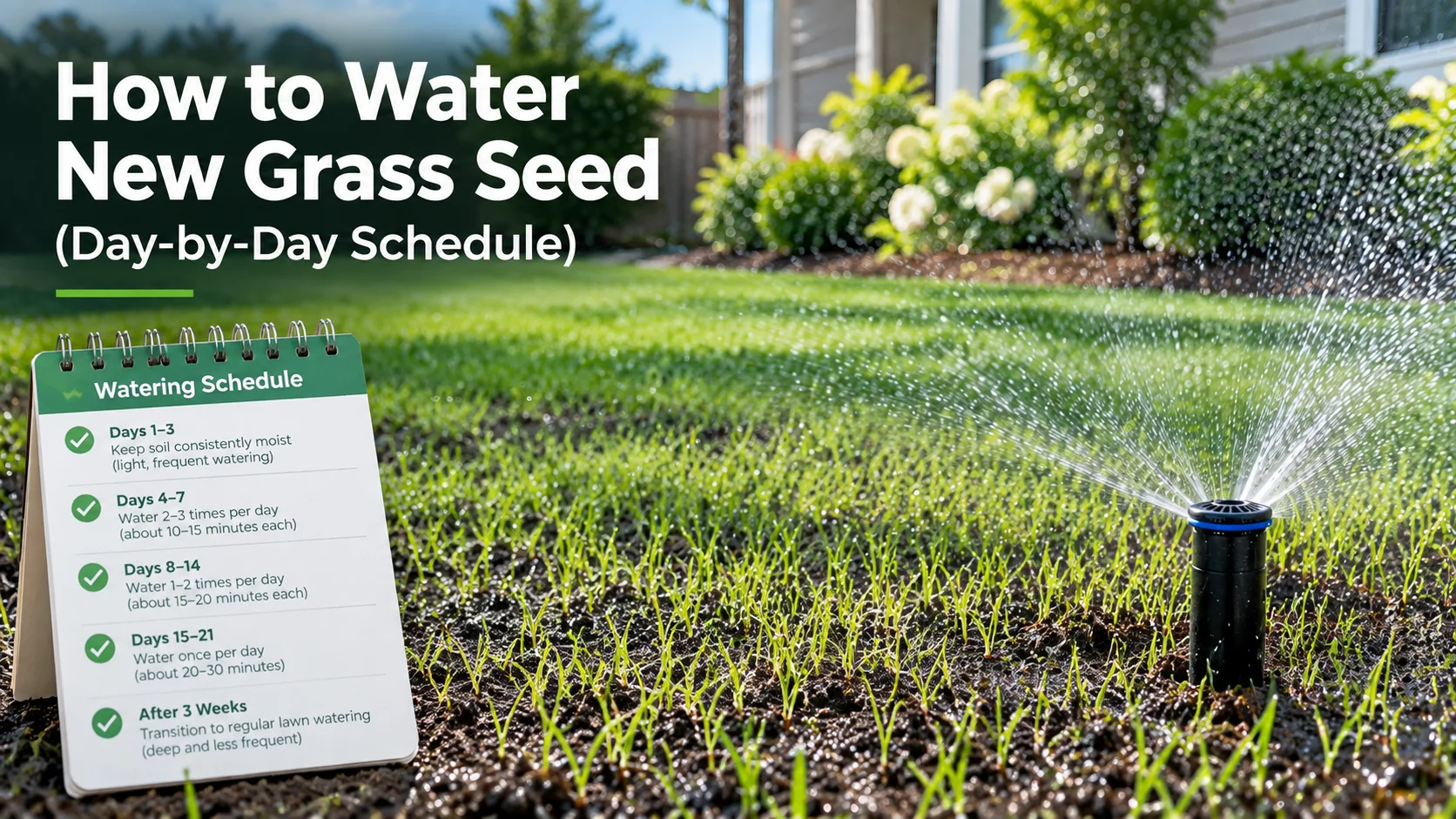
New seed has no roots to reach deeper water, so the top inch must never dry out, yet soaking it washes seed away. This guide gives a day-by-day schedule with run times by sprinkler type.
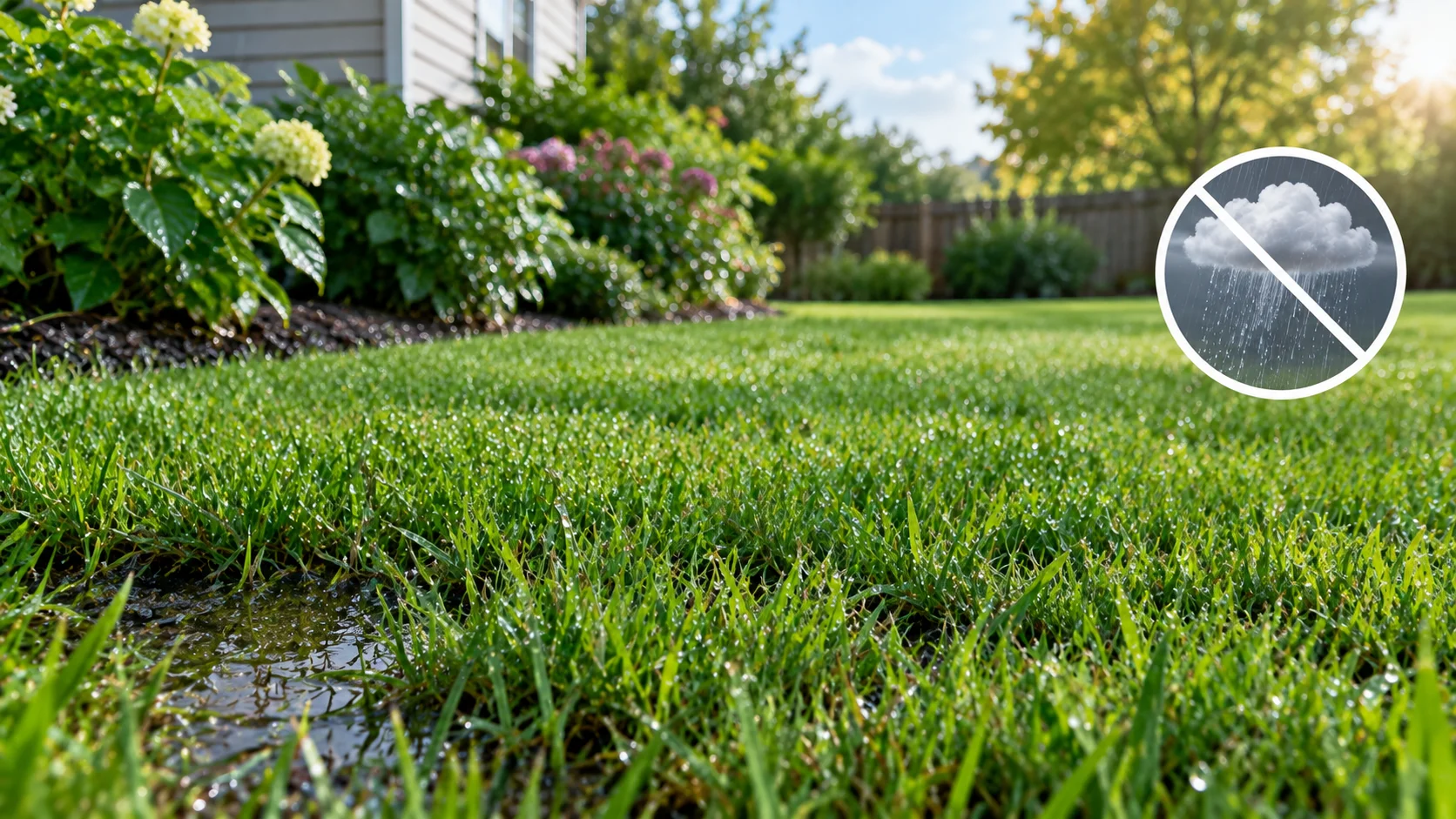
Rain does not always replace a watering. Skip the next one once a steady rain reaches 0.5 inch (13 mm), then use your soil and grass to work out how many days you can wait.
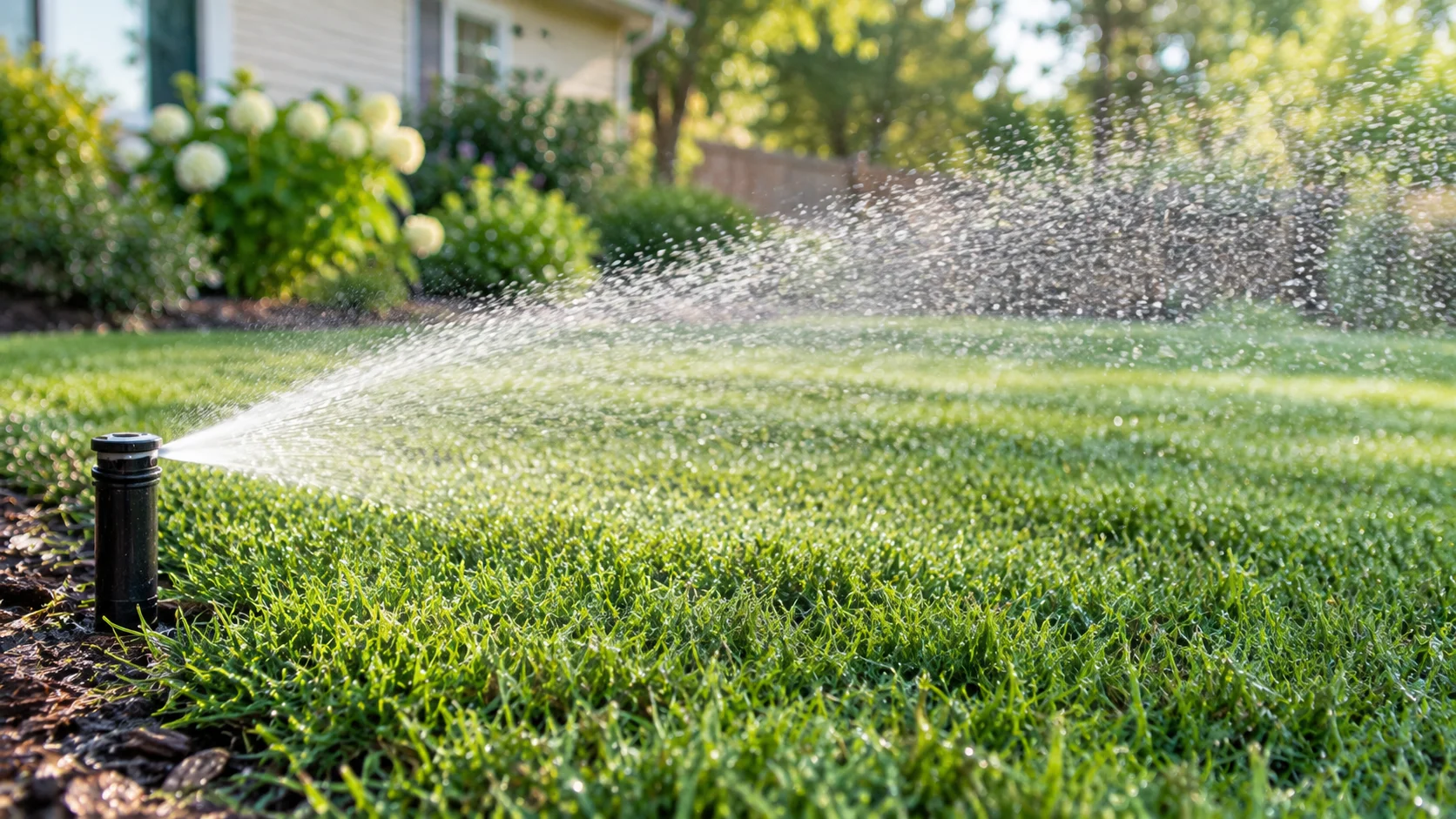
Newly sown seed needs light, frequent watering rather than a deep soak, and the pattern changes at germination and again after the third mowing. Here are the times per day, minutes per pass and signs to adjust by.

A few deep waterings a week suit tall fescue better than daily sprinkling. This guide gives the weekly inches, days between waterings, run times and the rules for new seed and summer dormancy.
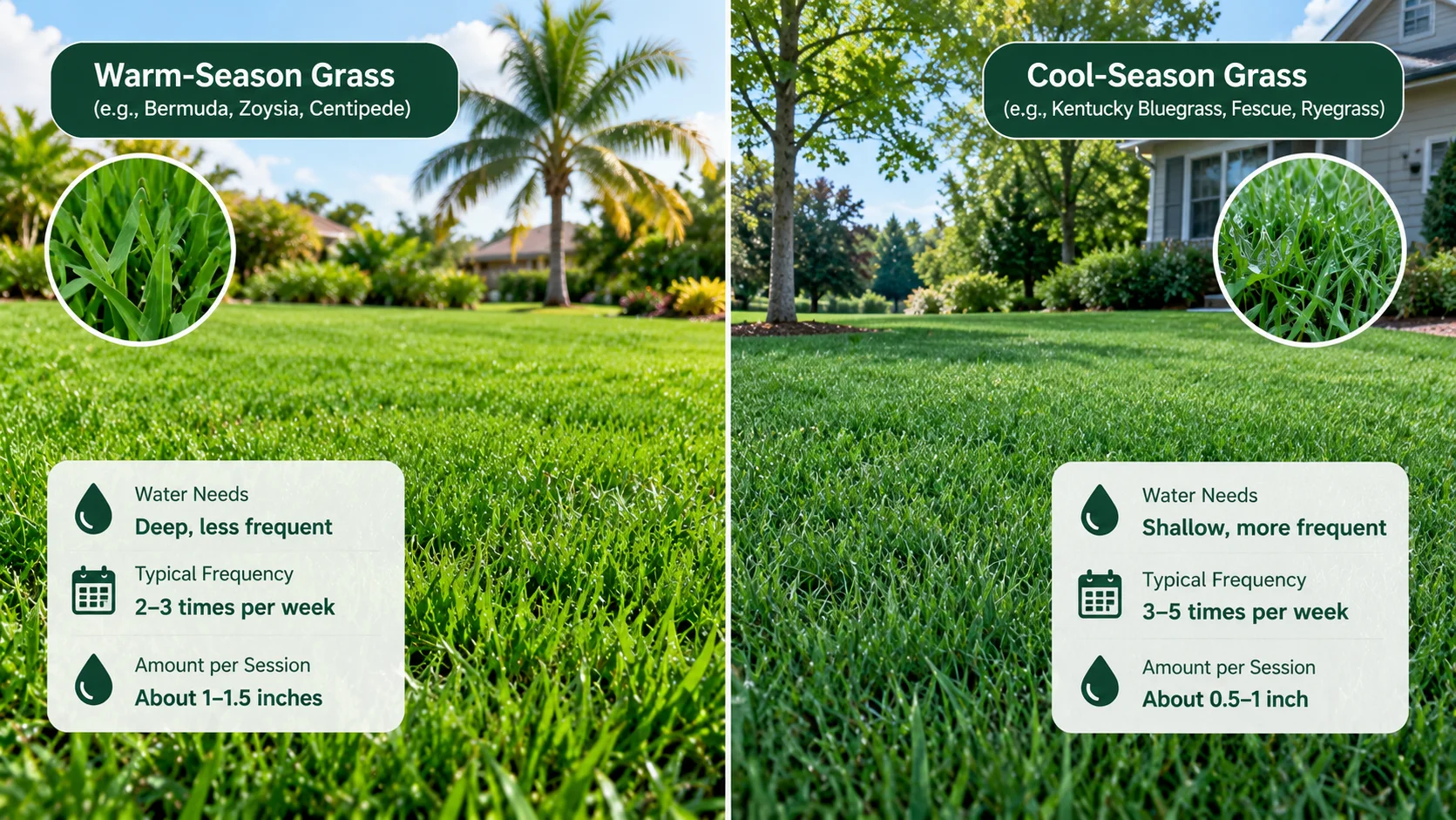
Warm-season grasses use about a quarter less water than cool-season grasses, but the gap changes with climate, month and watering schedule. This article gives the weekly totals, frequencies and run times for each, with a worked example.
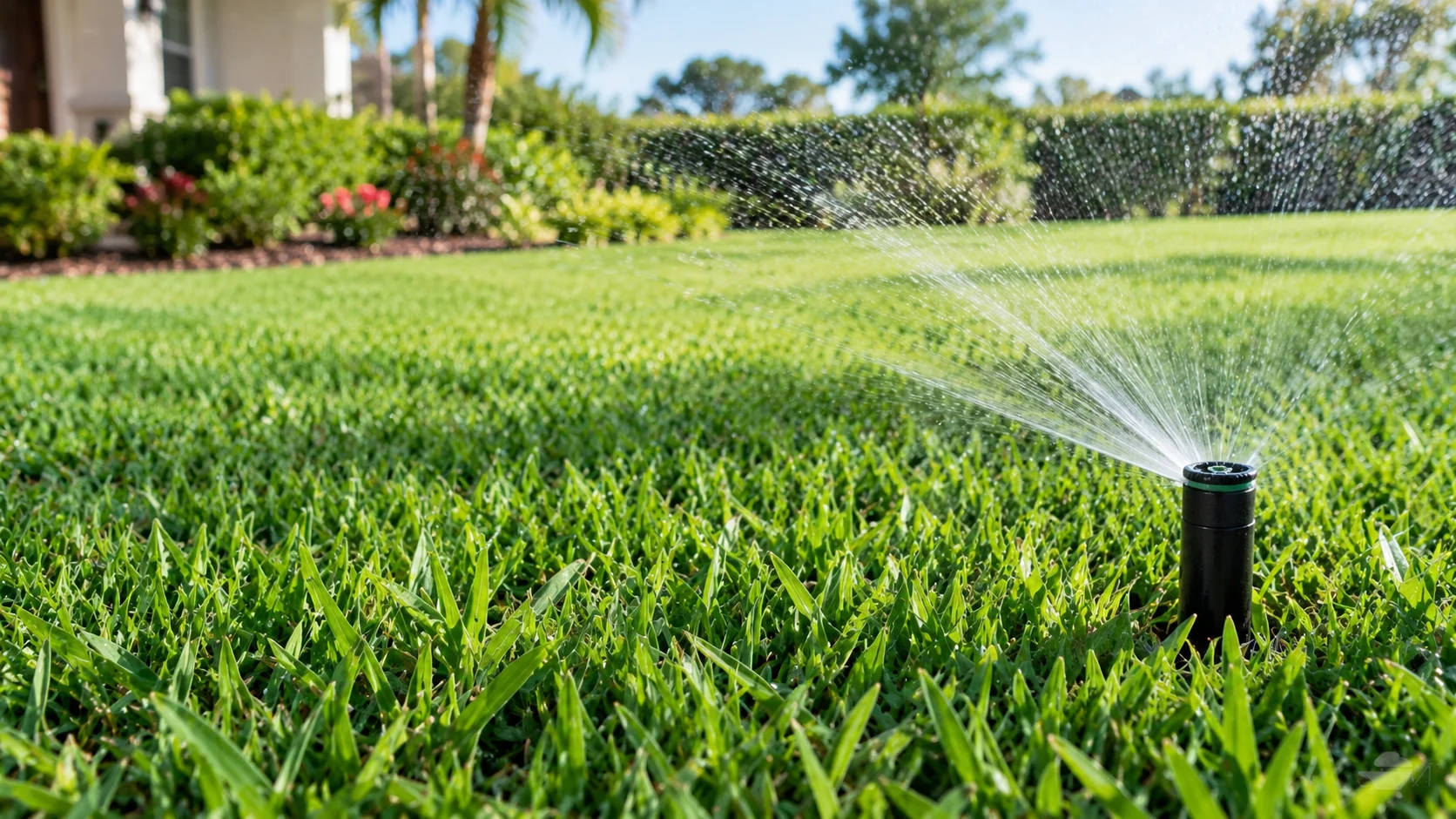
Water when the grass shows stress, apply ½ to ¾ inch each time, and let the season set the gap. This guide gives the days, inches and sprinkler minutes for St. Augustine lawns.
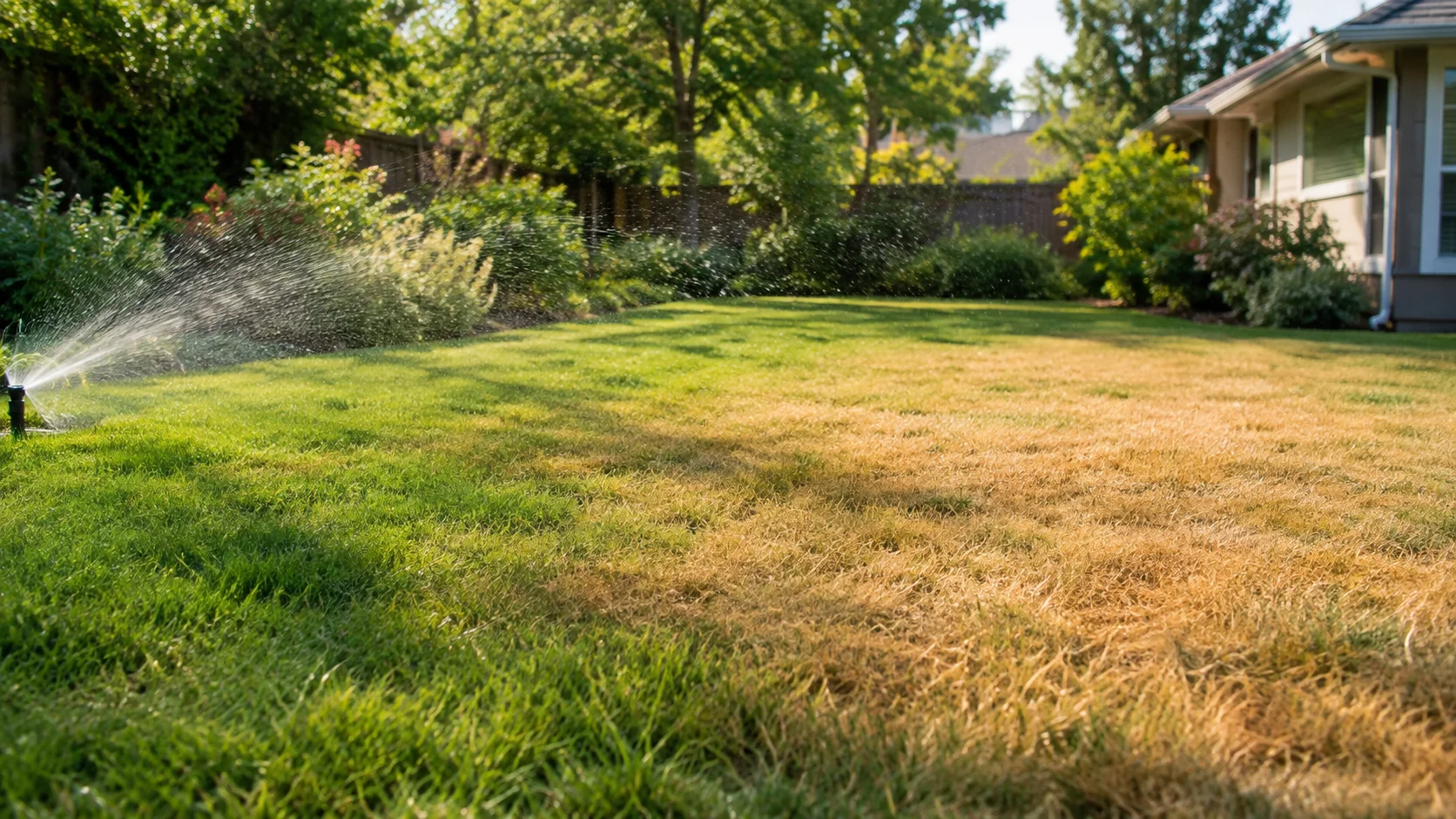
Keeping cool-season grass green through summer takes about 1 inch (25 mm) of water a week, while dormant turf survives on a fraction of that. This guide gives the numbers, the limits and the lawns that should keep their water.
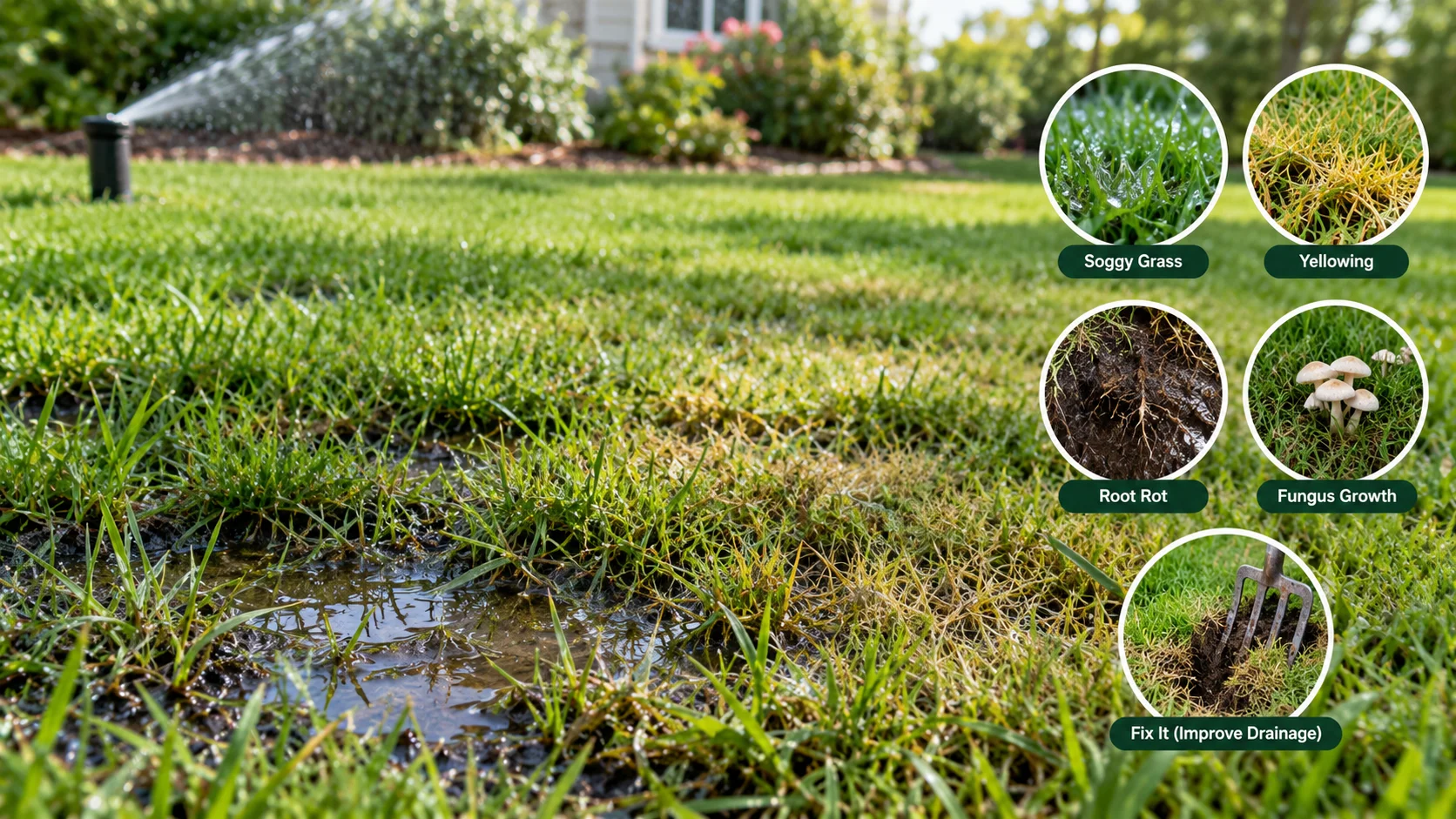
An overwatered lawn looks thirsty, so it often gets even more water. This guide shows the signs, the damage and a measured fix, with run-time numbers you can check against your own sprinklers.
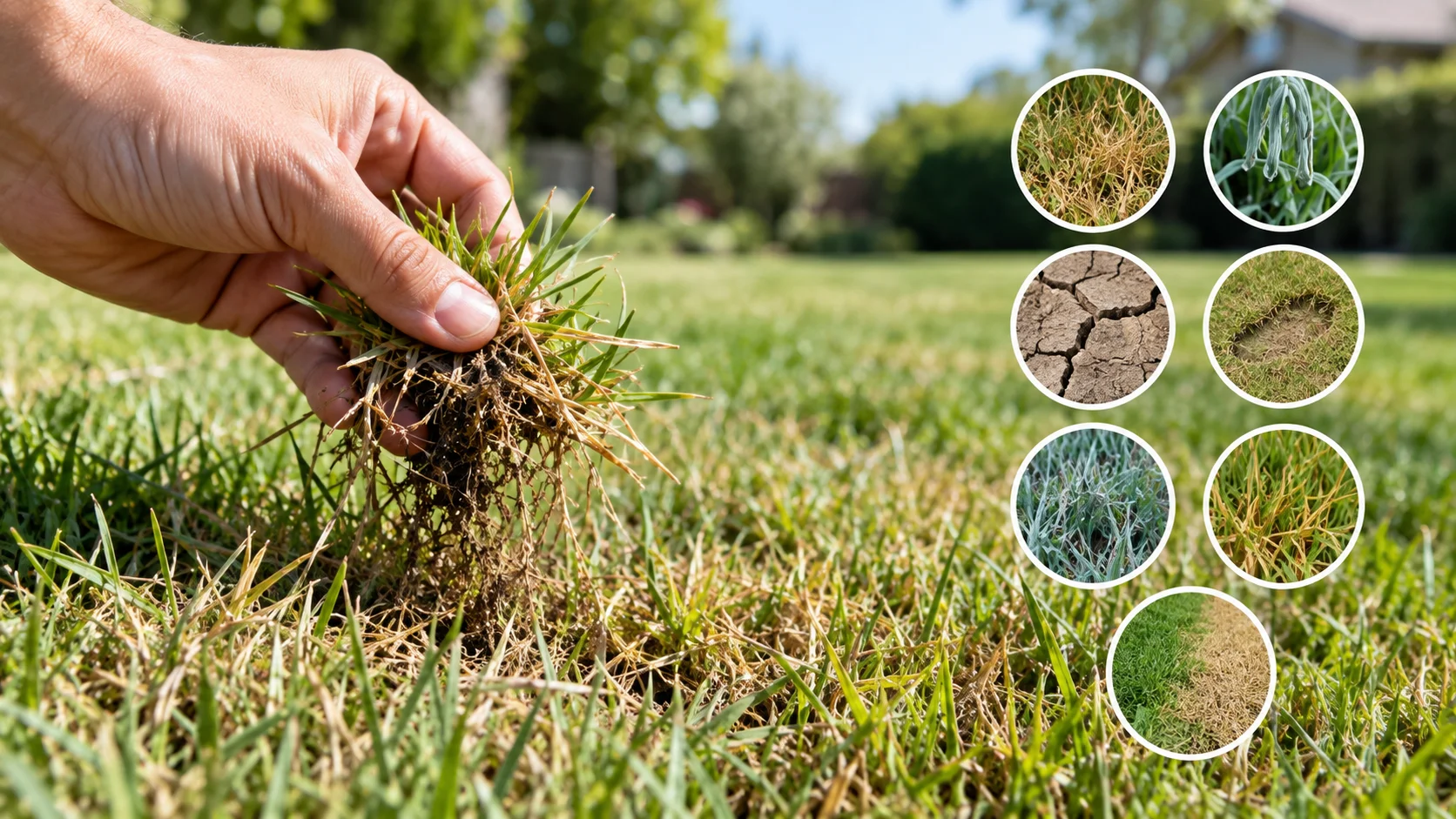
Footprints that stay, rolled blades and a blue-gray cast show up before the grass browns. This guide covers the seven signs, three quick field tests to confirm them, and how much water to give once you see them.
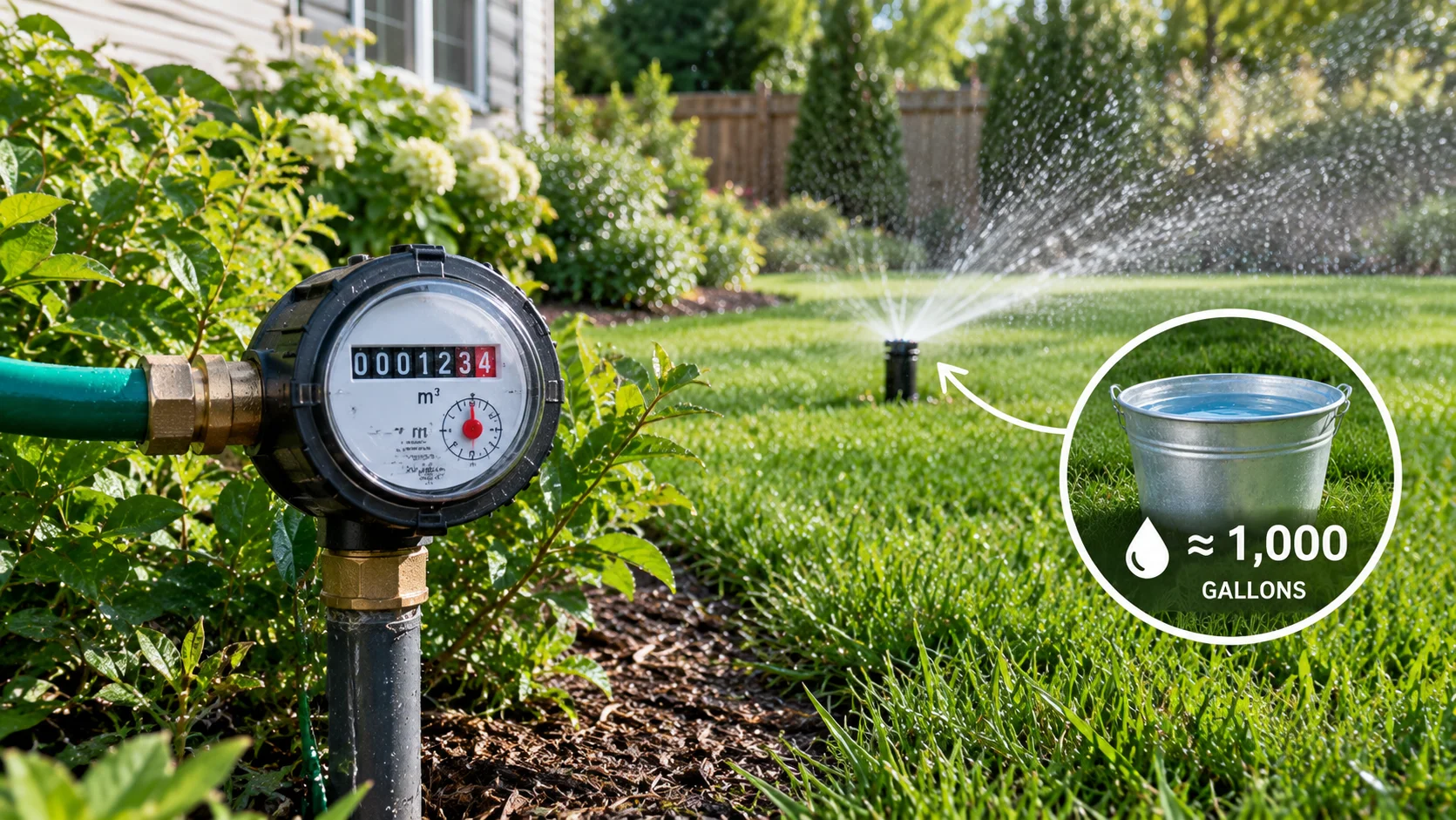
A lawn's water use comes down to area, depth and efficiency. This guide gives the gallons for each inch, week and sprinkler run, then shows how to check your own meter against what the grass needs.
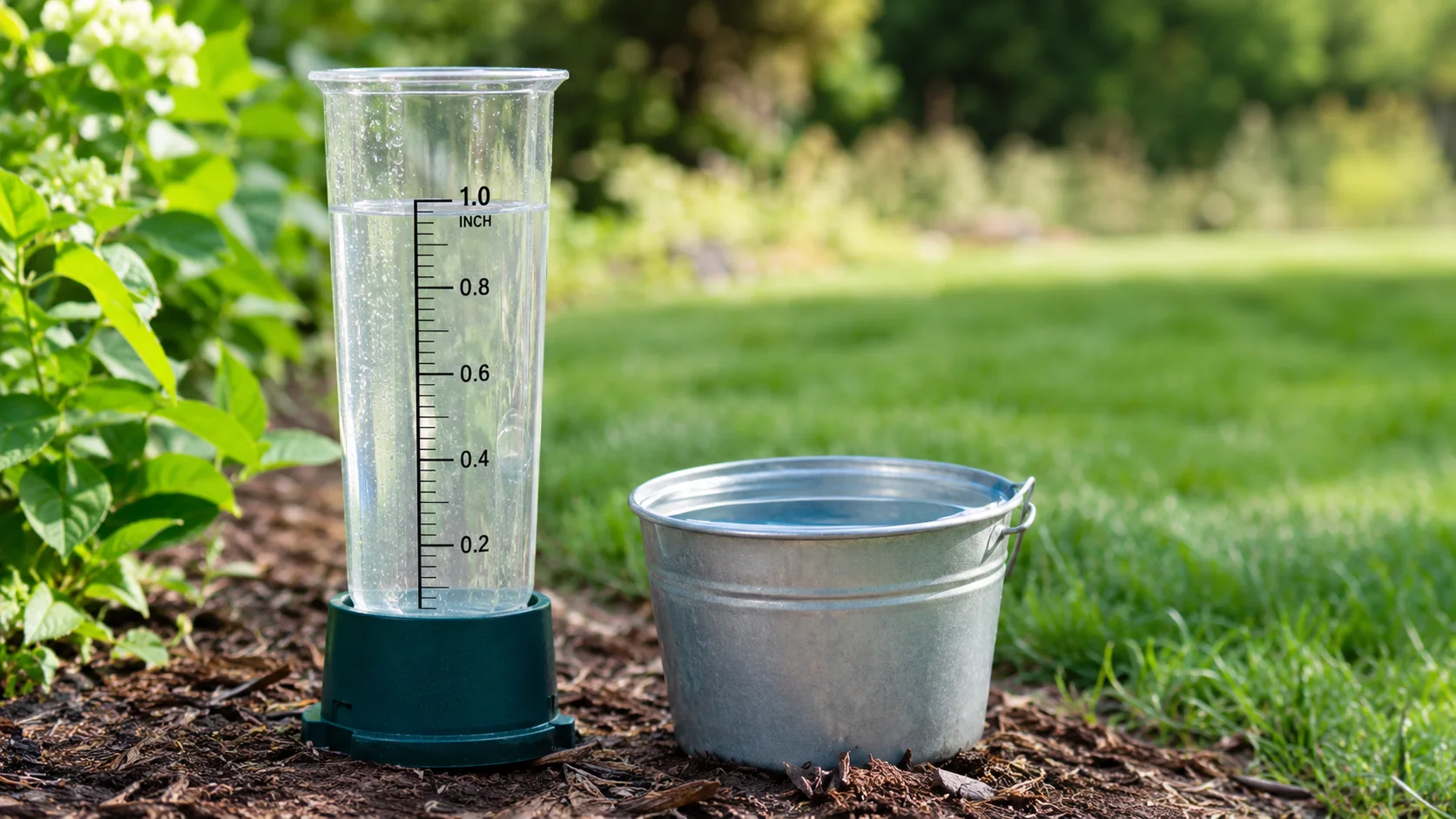
An inch is a depth, not a volume, so the gallons depend on the area it covers. This guide gives the exact conversion, gallons for common lawn sizes and how to measure an inch from your own sprinklers.
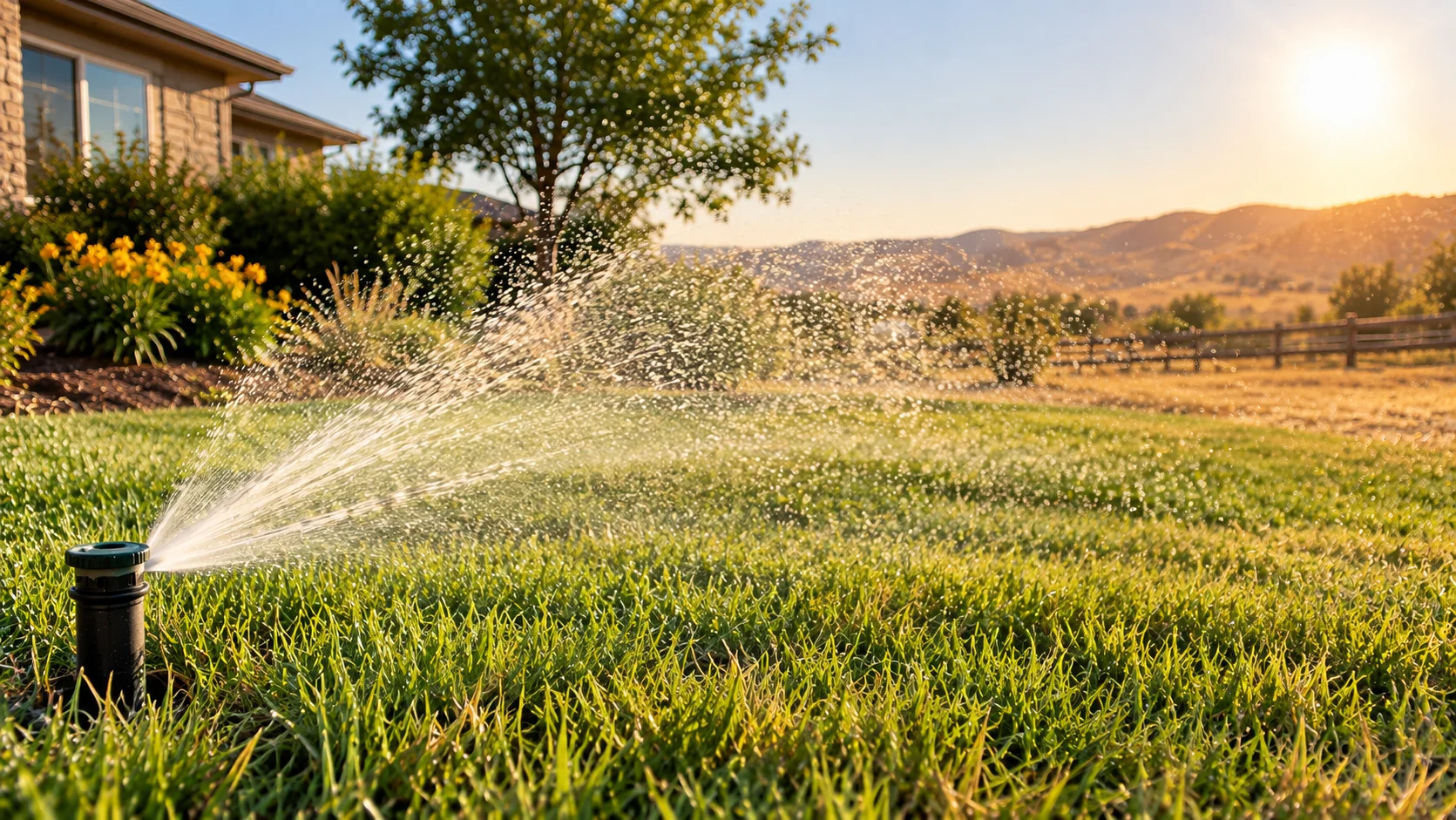
A heat wave raises how much water grass loses, while a drought limits how much you can give it. This guide shows the weekly depth, run times and dormancy rules that keep a lawn alive on less.
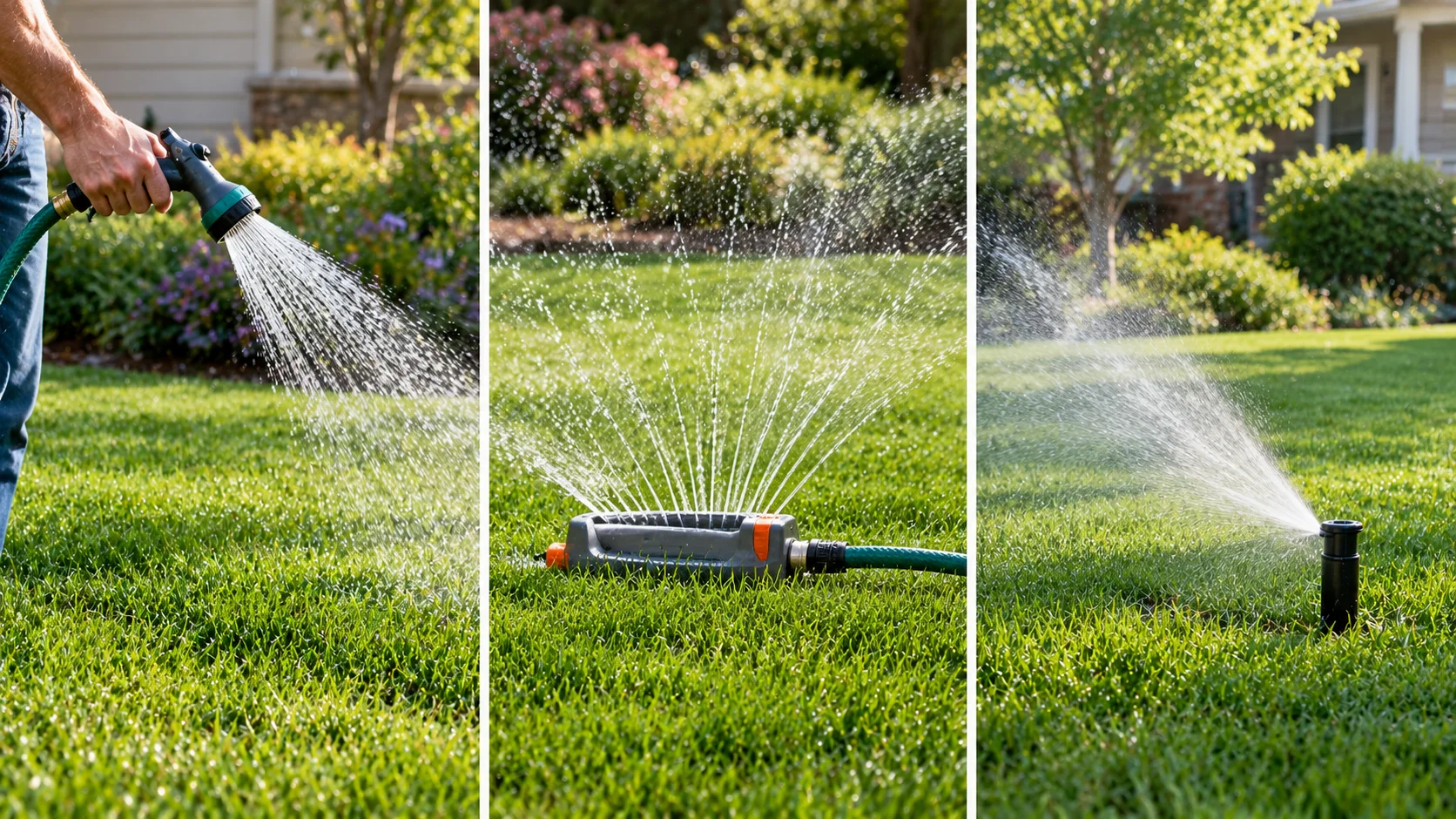
Each method applies water at a different rate and with different evenness, and those two numbers set your run time and your gallons. This guide puts published figures side by side and shows how to convert them to minutes.
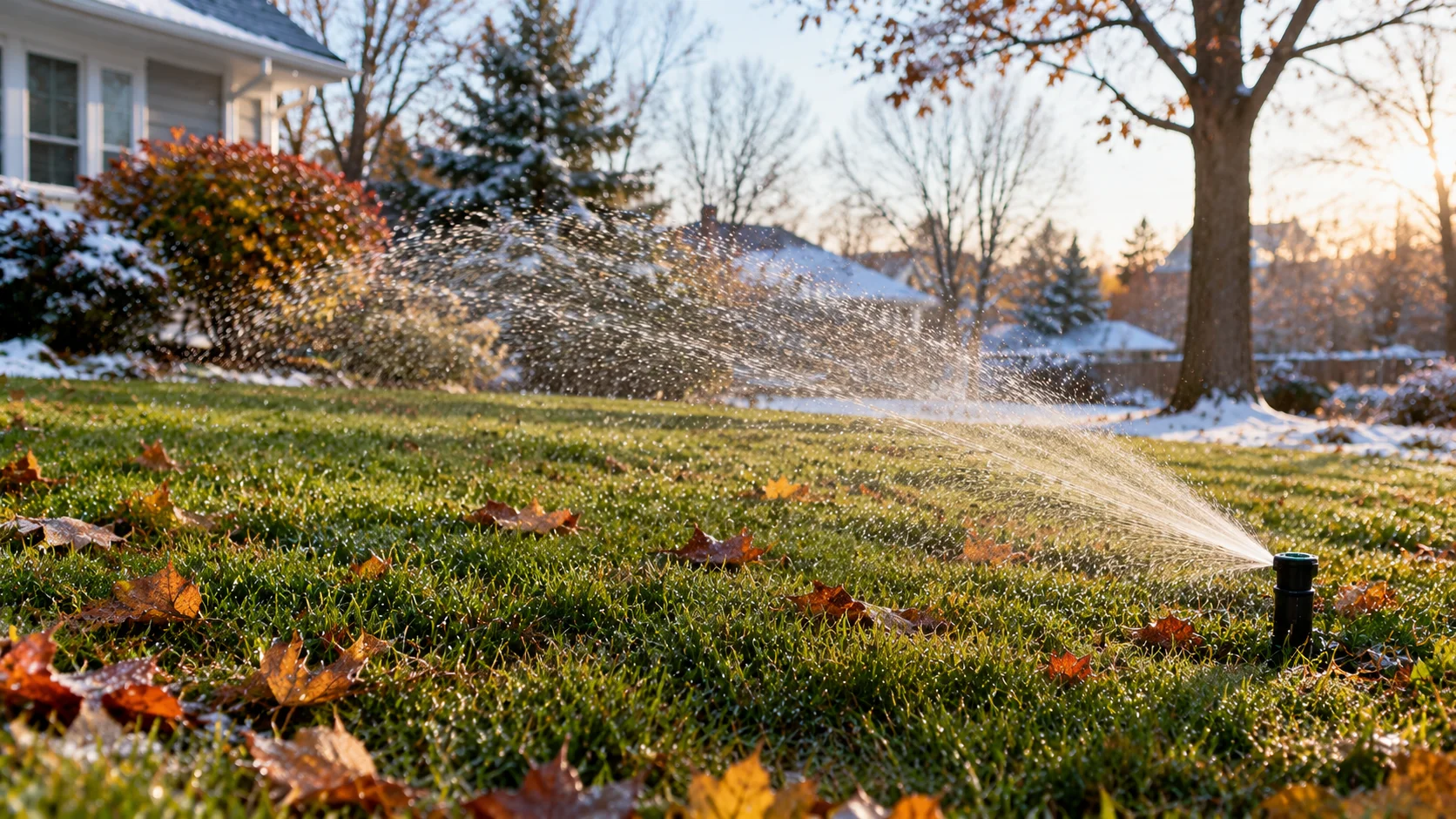
Water use falls every week after September, and the real stop signal is frozen soil or a dormant lawn, not a date on the calendar. This guide gives the triggers, the final soak and the winter schedule by grass type.
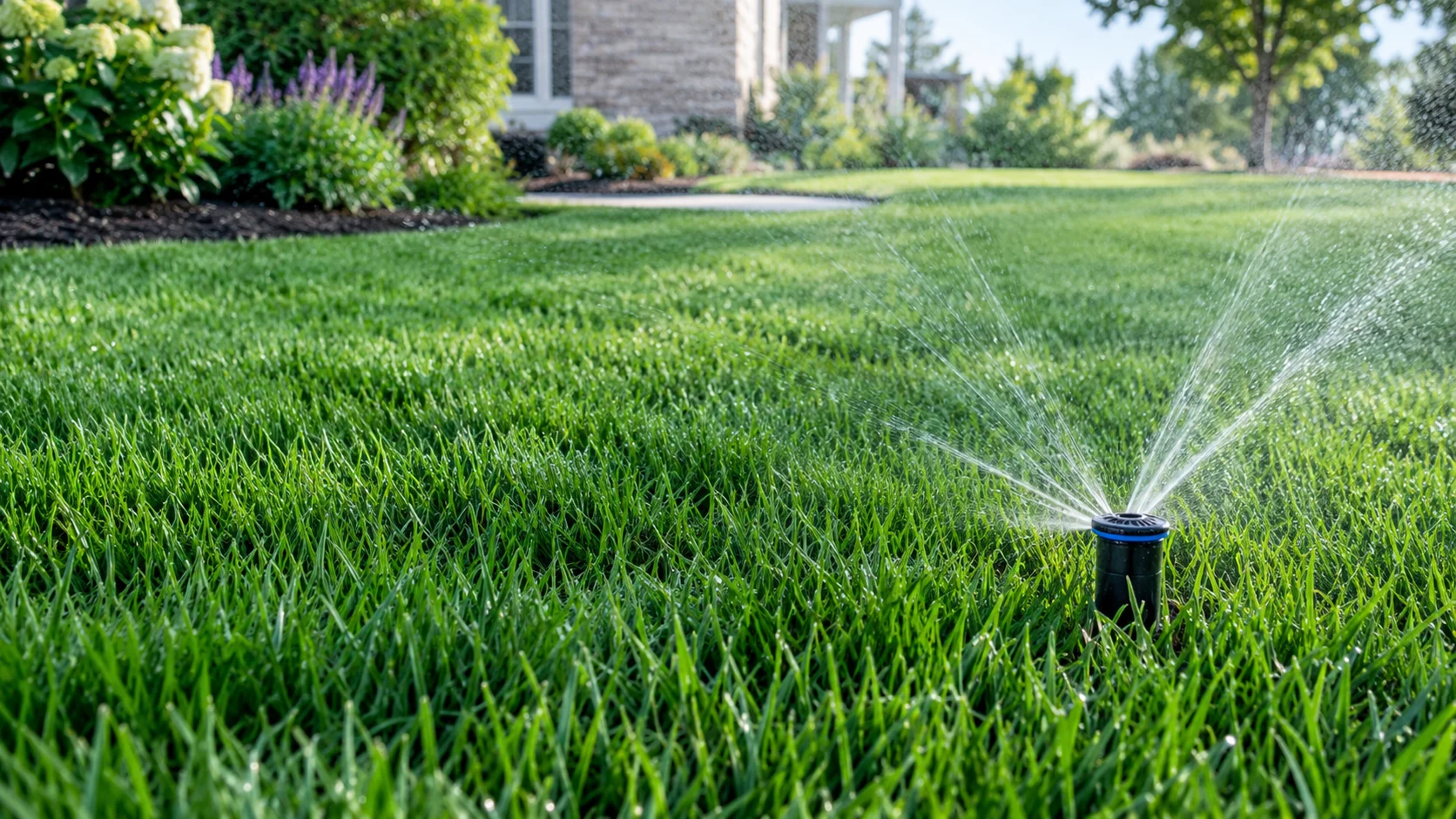
Kentucky bluegrass needs more water than most lawn grasses to stay green, yet it survives drought by going dormant. This guide gives the weekly inches, days between waterings and minutes per run for each case.
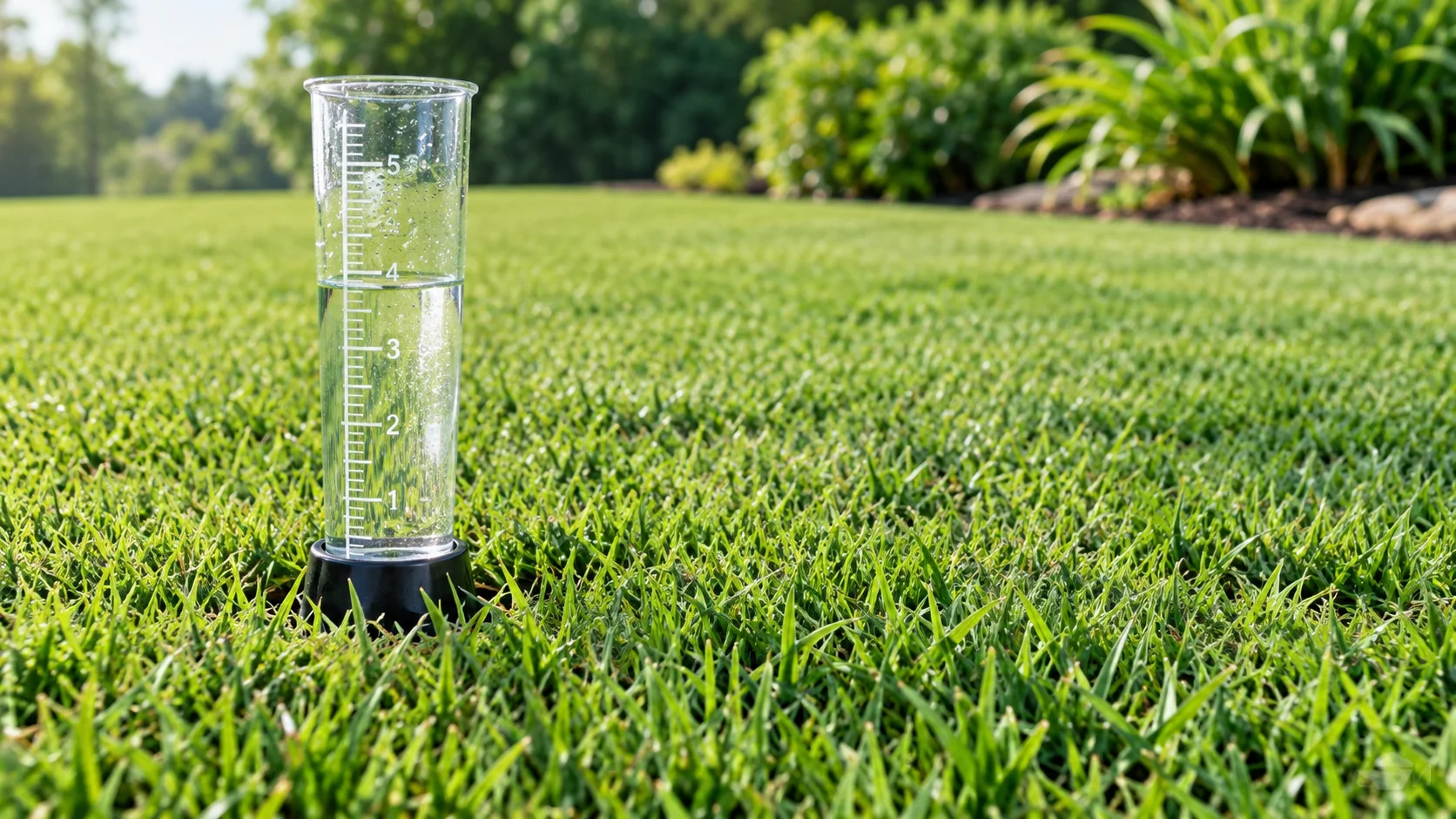
Bermuda grass tolerates drought, but it still needs about 1 inch of water a week while it grows. This guide shows how soil, weather and season raise or lower that number, and how to turn it into minutes on your controller.
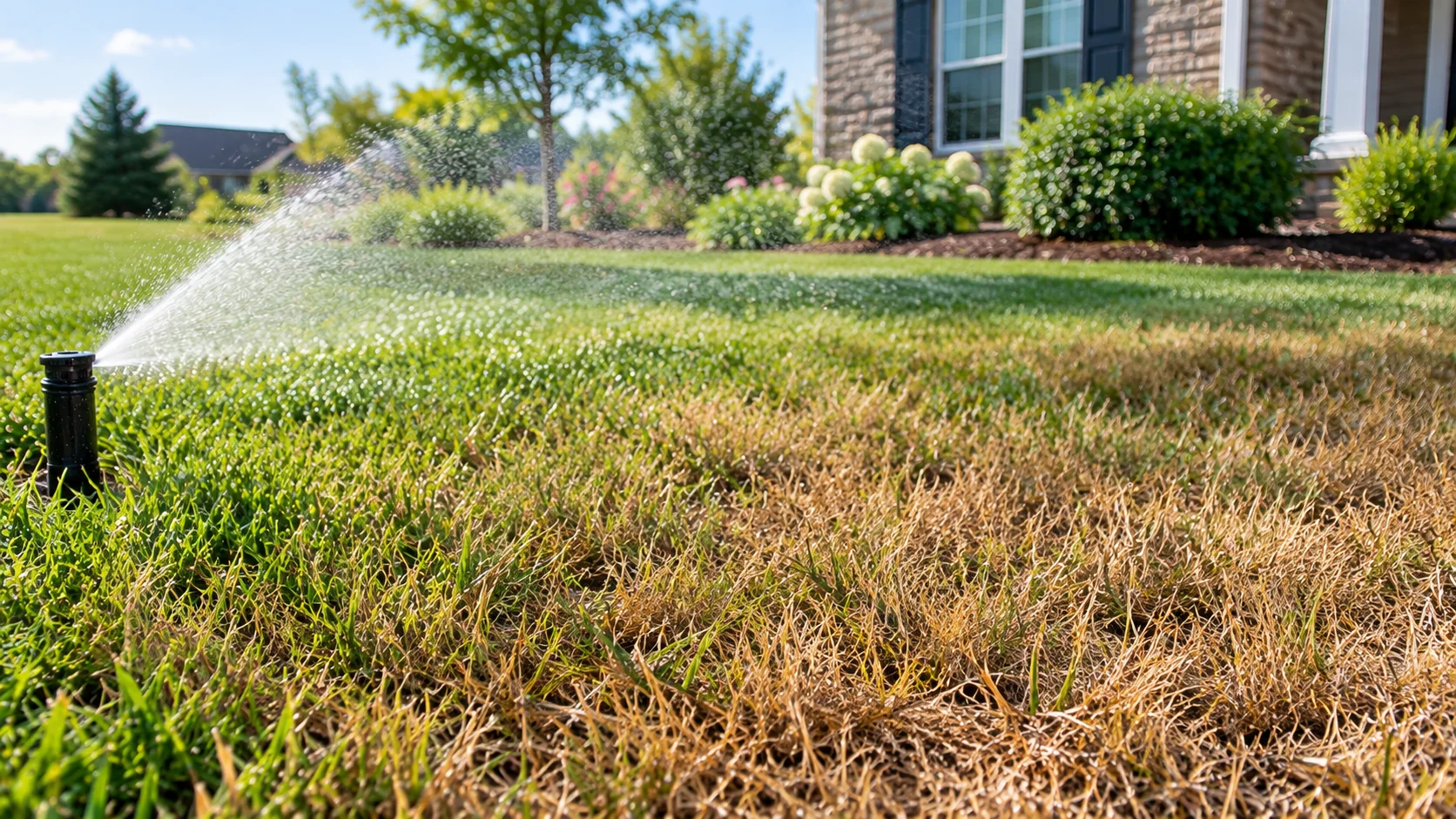
Brown grass after weeks of sprinkler runs usually has a cause other than too little water. This guide covers nine causes, from uneven coverage to grubs, with the test and the fix for each.
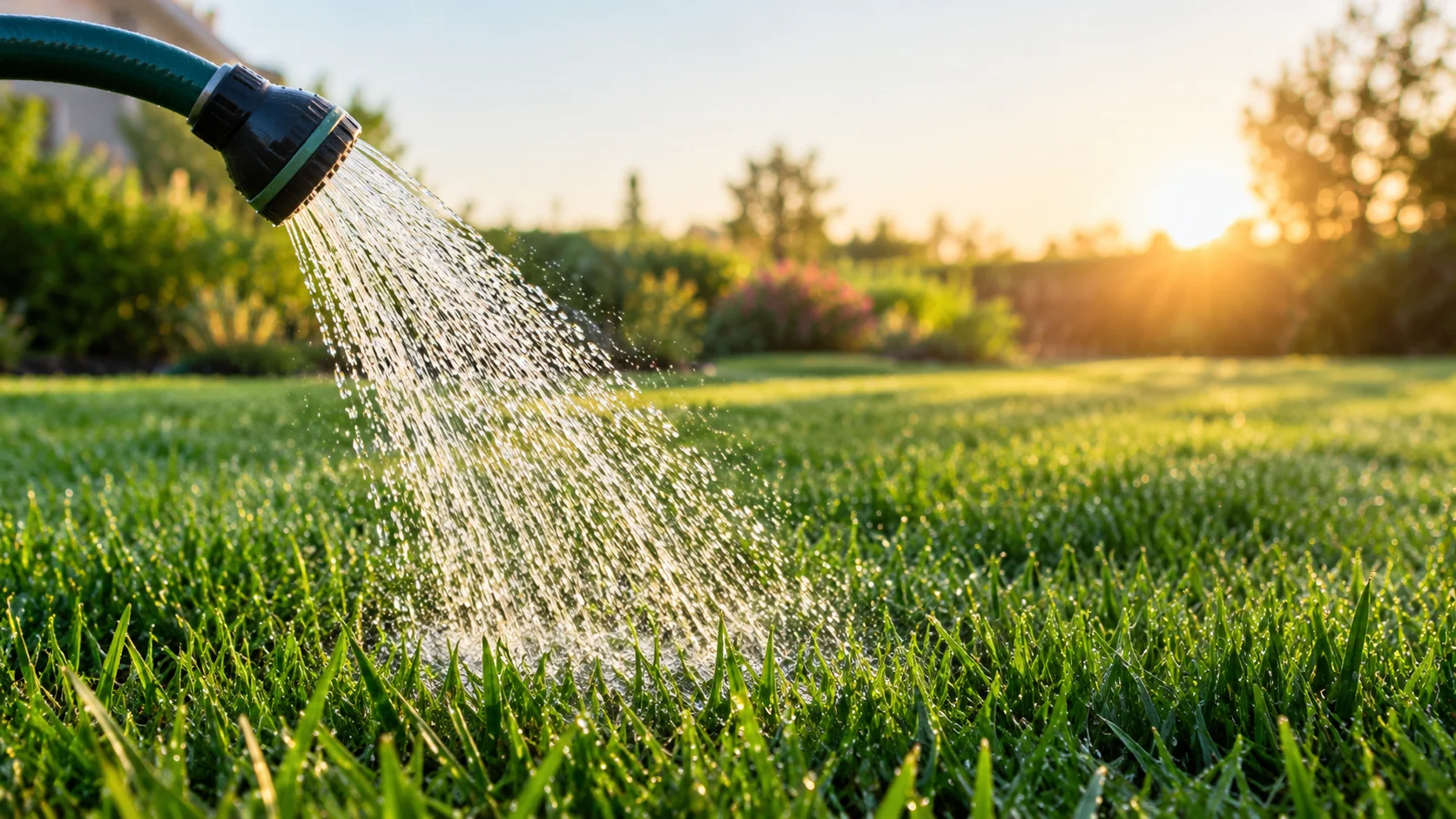
Early morning beats midday and evening, but the exact window shifts with wind, humidity and the kind of system you run. This guide gives the hours, the water you lose at other times, and how to set your start time.
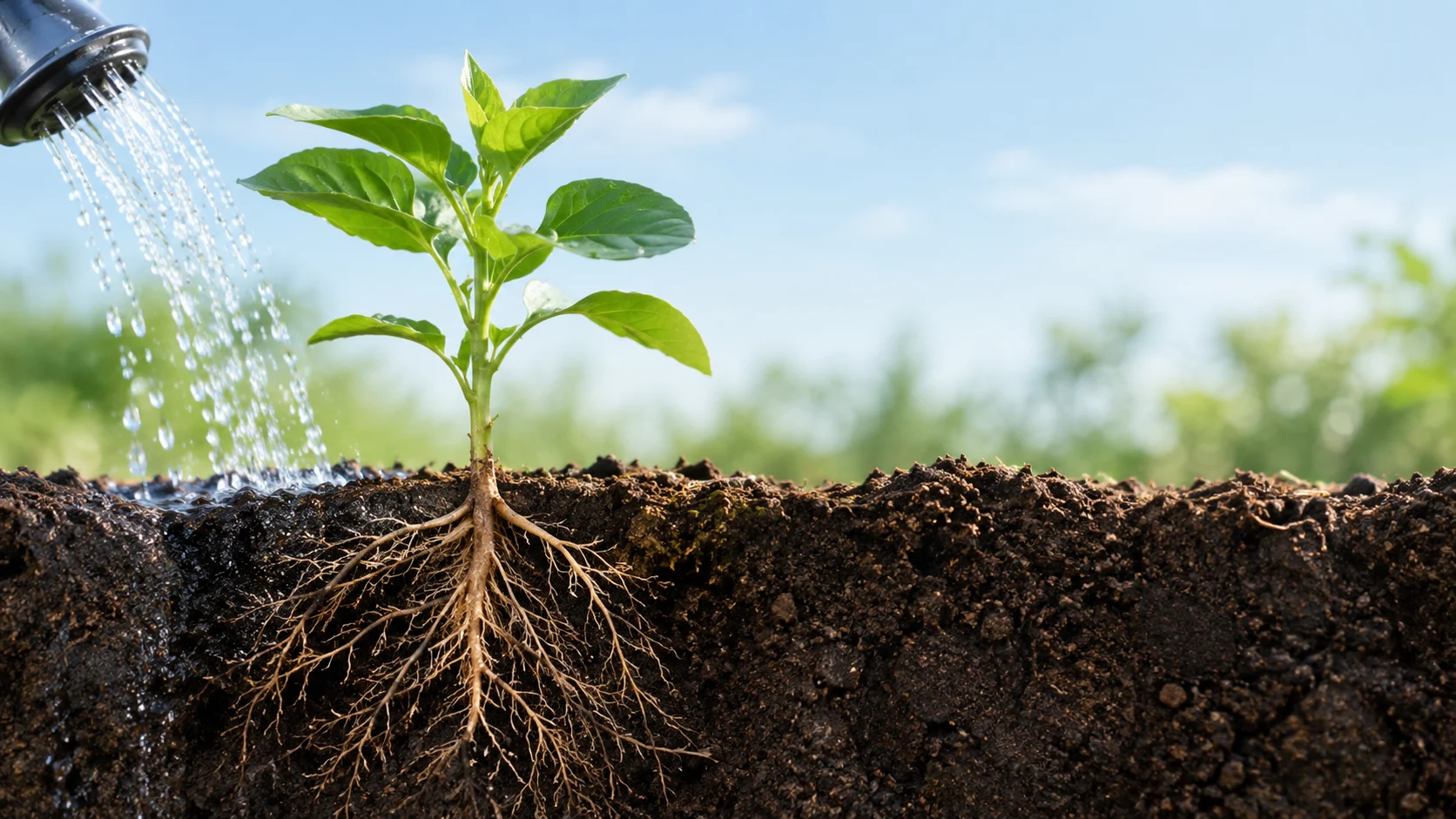
Light daily watering keeps roots near the surface, while soaking the root zone and then waiting pulls them down into moist soil. This guide shows how deep to water, how long to wait and how to check the result.
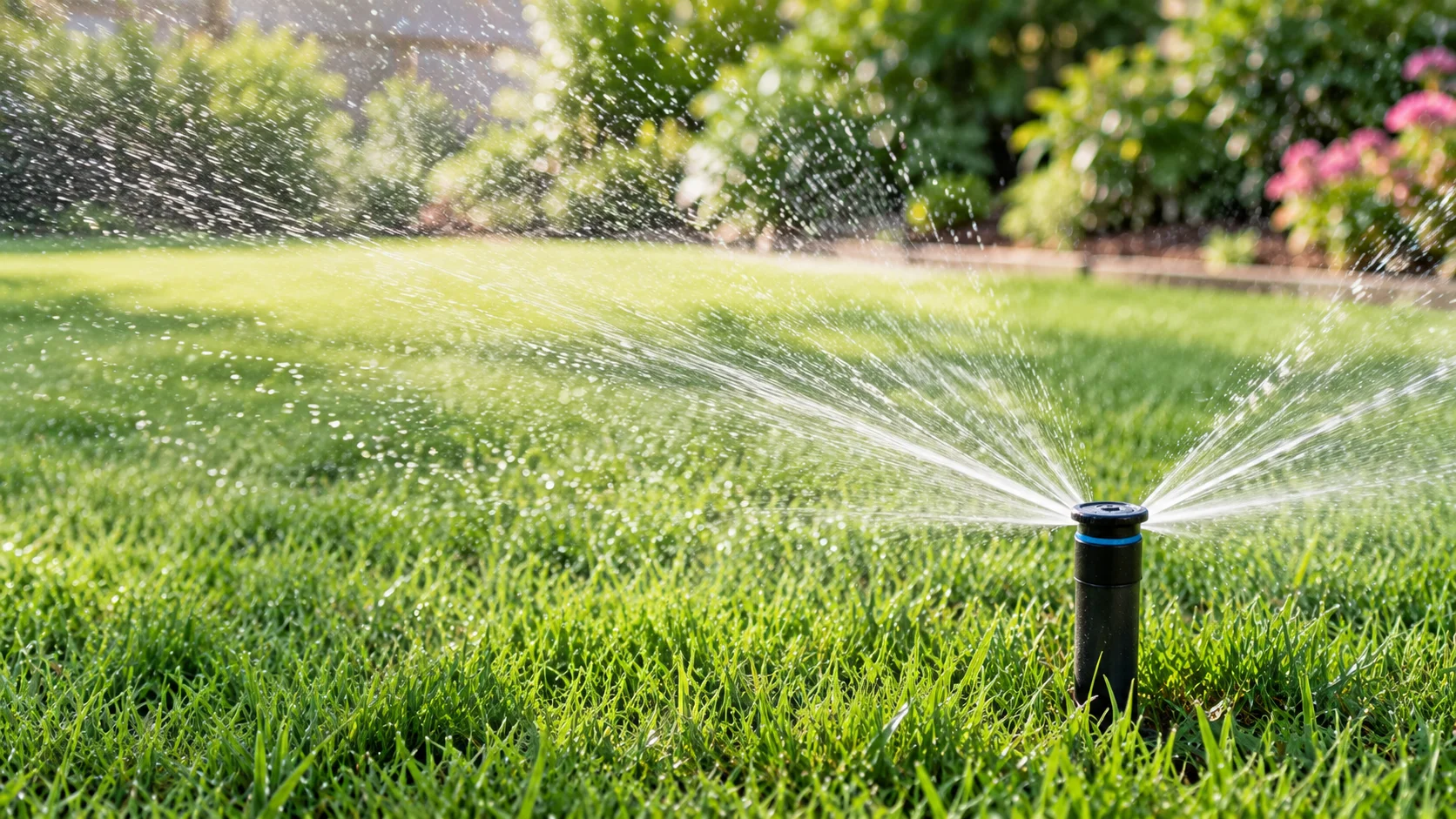
Spray heads need 30 to 40 minutes per inch of water and rotors 75 to 150. Here's how to measure your own sprinkler rate and when to split runs into cycles.
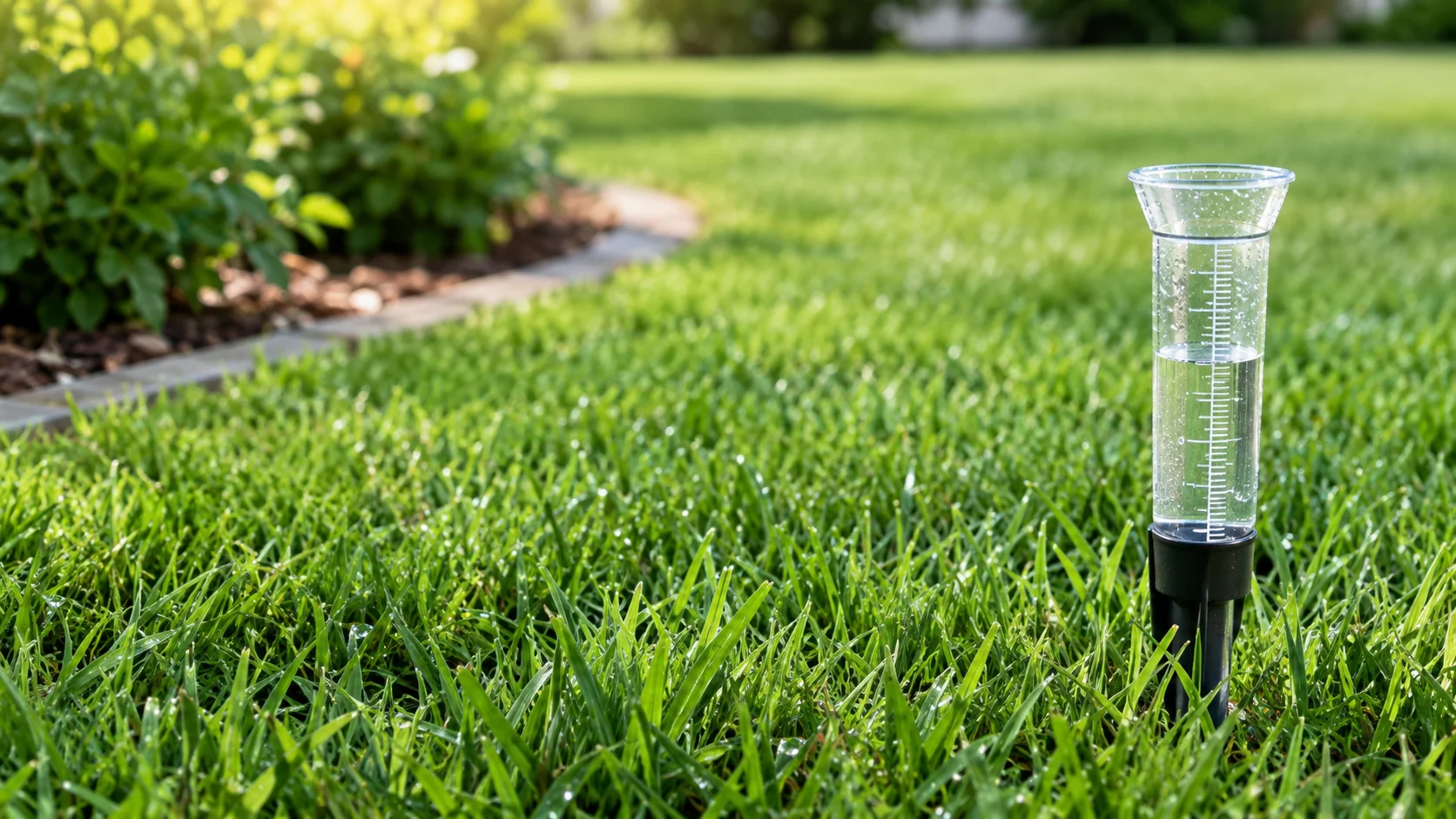
Most established lawns need 1 to 1.5 inches a week in summer and about half that in spring and fall. Here's how to find the right number for your grass, soil and sprinklers.
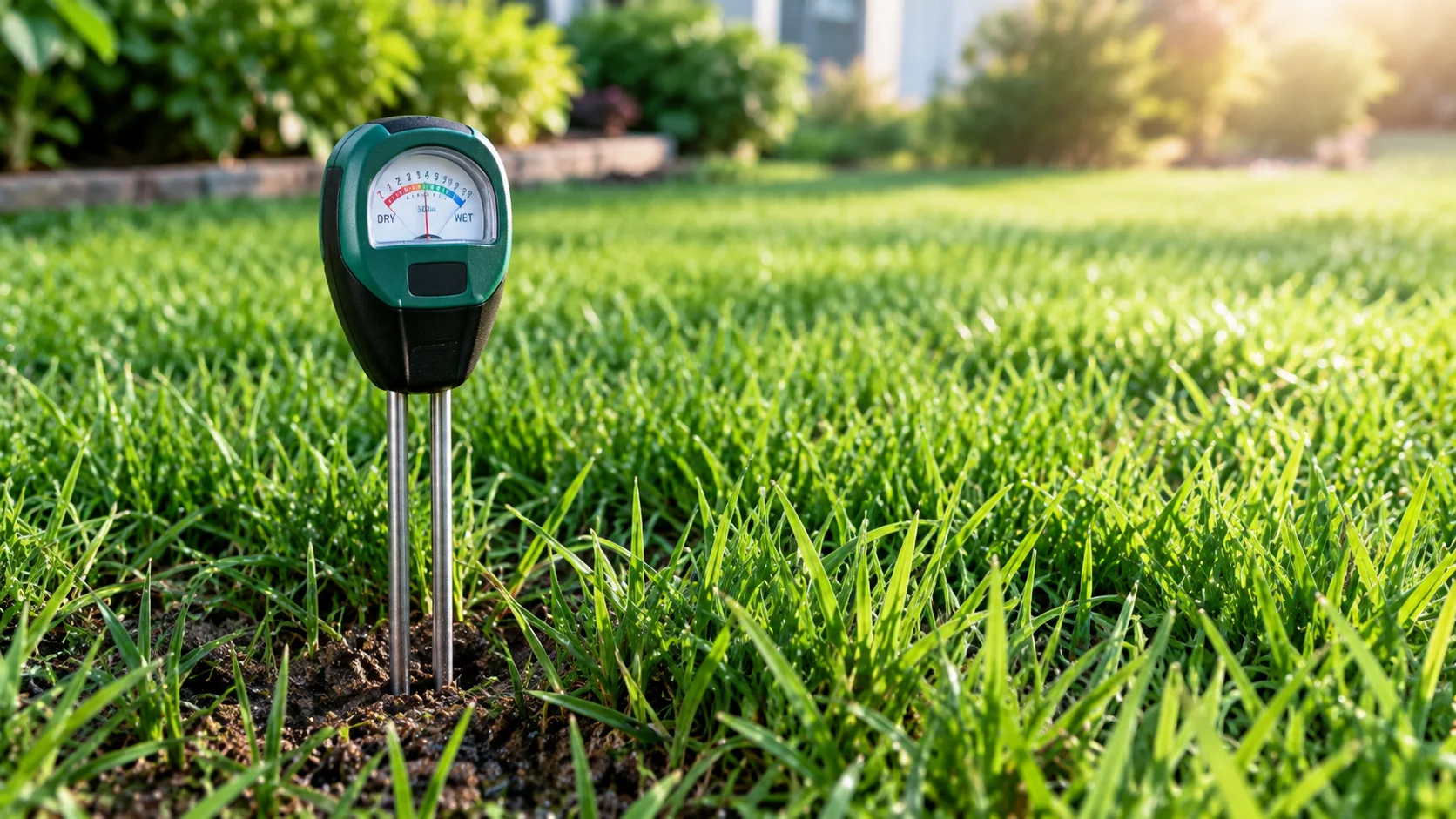
Cool-season lawns need about 3 waterings a week in summer and warm-season lawns 1 or 2. Here's how your grass, soil and season set the schedule.
Most lawn watering advice stops at "one inch a week." That's a fair average for a cool-season lawn in a mild summer, but a lawn's real need runs from under half an inch in a cool spring to nearly two inches in desert heat. Grass type, soil, rain and the evenness of your sprinklers all move the number.
These guides cover established lawns, new seed and sod, drought dormancy, and turning a weekly depth into minutes on your controller. Each one uses the same method as our lawn calculators: evapotranspiration and crop coefficients from FAO and University of California research, adjusted for rain and distribution uniformity.
Put the guides into numbers for your own lawn.
Browse every irrigation and watering calculator by category, or tell us about a tool you'd like us to build.